Here is a complete, ready-to-publish blog post structured for readability, SEO, and engagement.
How ERPNext Can Streamline Your Business Operations
Managing a growing business often feels like juggling multiple applications—one system for accounting, another for CRM, separate spreadsheets for inventory, and distinct tools for HR. As departments expand, these disconnected systems create data silos, administrative bottlenecks, and costly operational delays.
Enterprise Resource Planning (ERP) software solves this fragmenting, but traditional ERP systems like SAP or Oracle often come with hefty price tags and complex implementations. This is where ERPNext—a powerful, open-source ERP system—changes the game for small and medium-sized enterprises (SMEs).
What is ERPNext?
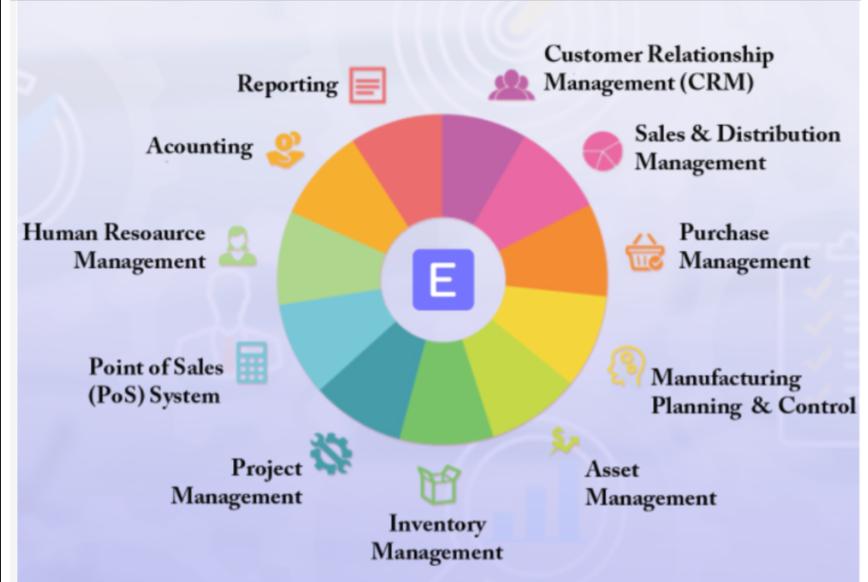
ERPNext is a comprehensive, open-source ERP platform built on the Frappe framework. Designed specifically for agility and ease of use, it brings all core business processes into a single, unified database. Whether you operate in manufacturing, retail, services, or distribution, ERPNext provides built-in tools tailored to your operational workflows.
4 Key Ways ERPNext Streamlines Operations
1. Centralized Data and Eliminating Silos
When information is scattered across standalone apps, employees spend hours manually transferring data. ERPNext connects every functional unit:
-
Real-Time Visibility: A sale logged in the CRM automatically updates stock levels in inventory and records revenue in accounting.
-
Single Source of Truth: Teams across accounting, sales, and warehouse operations all access the exact same live data.
2. Automated Financial Management and Invoicing
Manual bookkeeping is prone to human error and delayed reporting. ERPNext automates day-to-day accounting functions:
-
Auto-generate recurring invoices and payment reminders.
-
Track accounts payable and receivable in real-time.
-
Perform multi-currency transactions and automated bank reconciliation.
3. Smart Inventory and Supply Chain Control
Overstocking ties up capital, while stockouts lead to lost revenue. ERPNext helps maintain an optimal inventory balance:
-
Automated Reorder Levels: Set threshold notifications or trigger automatic purchase requests when stock runs low.
-
Batch and Serial Tracking: Maintain full traceability for items from supplier purchase to customer delivery.
-
Multi-Warehouse Management: Monitor stock transfers and location status in a single dashboard view.
4. Unified CRM and Customer Lifecycle Tracking
Disconnected sales tools make lead nurture difficult. ERPNext embeds customer management directly into your operations:
-
Track sales pipelines from initial lead capture to quotation and order fulfillment.
-
Convert quotations directly into sales orders and invoices with a single click.
-
Log customer service tickets to resolve issues promptly.
Why Choose ERPNext Over Traditional Systems?
| Feature | Traditional Proprietary ERPs | ERPNext |
| Cost | High licensing fees per user | Open-source (No recurring user license fee) |
| Customization | Requires expensive custom development | Highly customizable out-of-the-box |
| Deployment | Often rigid on-premise setups | Cloud or self-hosted options |
| Usability | Steep learning curve | Clean, modern web interface |
How to Get Started with ERPNext
-
Map Your Current Processes: Identify which manual tasks or disconnected tools cause the most friction today.
-
Choose Your Deployment: Decide between a managed cloud hosting option (ERPNext Cloud) or self-hosting on your own cloud server (AWS, DigitalOcean, etc.).
-
Migrate Core Data: Start by importing essential master data like items, customers, suppliers, and chart of accounts.
-
Train Teams in Phases: Roll out modules sequentially—starting with core areas like Accounting or Sales—to build team confidence and ensure adoption.
Final Thoughts
Streamlining business operations isn’t about working harder—it’s about building smarter workflows. By unifying accounting, inventory, sales, and HR under one open-source platform, ERPNext reduces manual work, improves data accuracy, and gives leadership the insights needed to scale efficiently.